
DYEING AS AN ART,
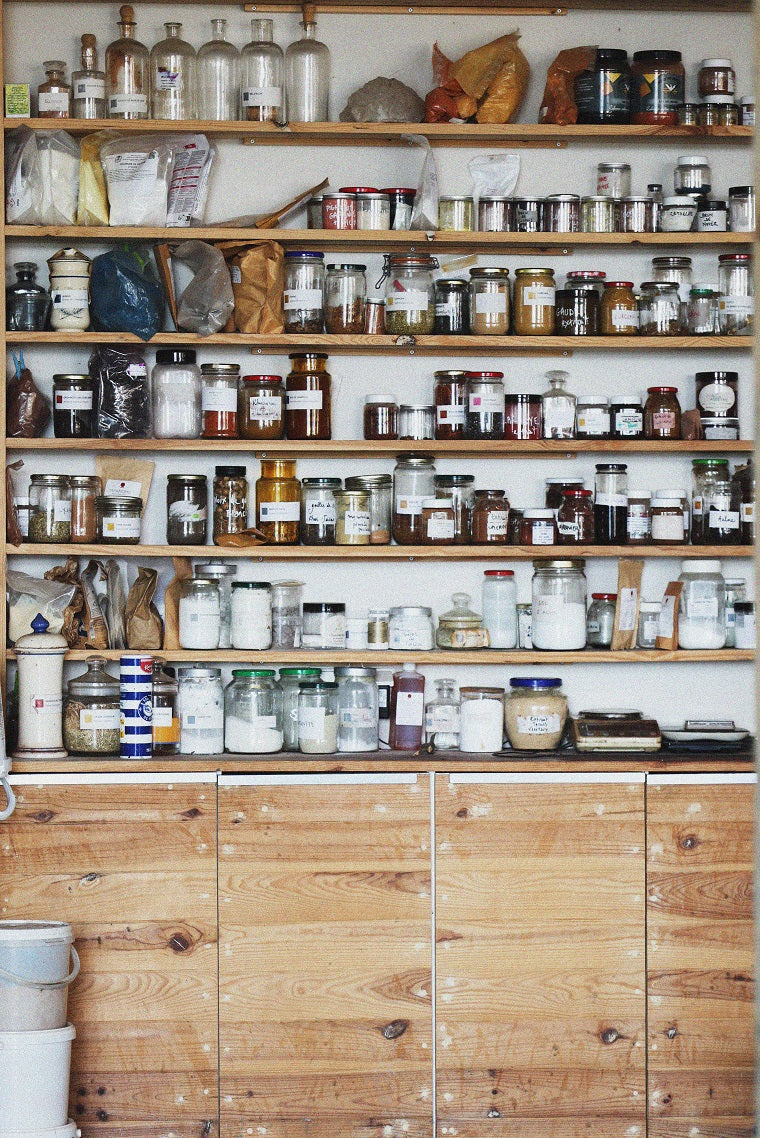
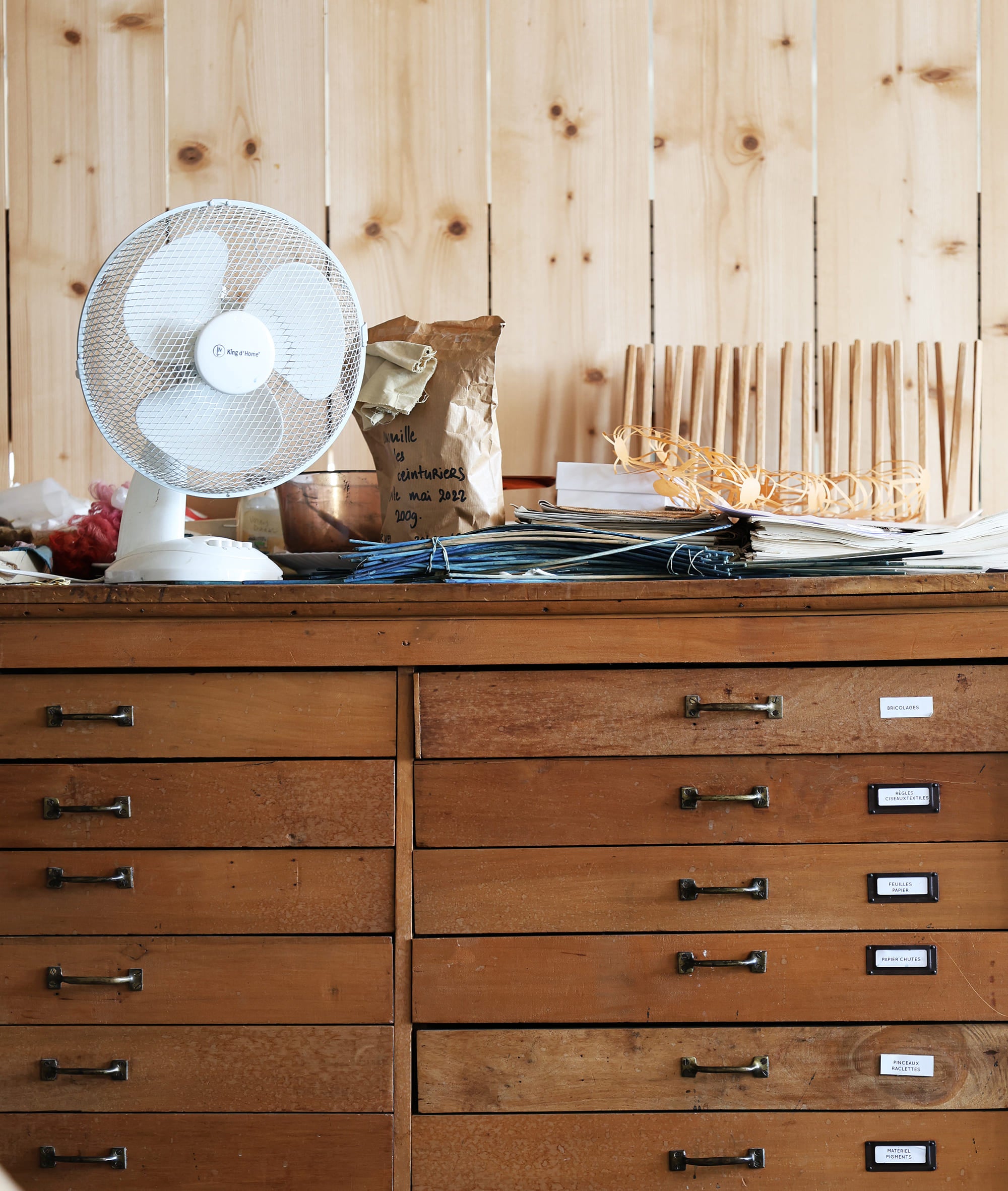
We work closely with a committed research workshop, Couleur Garance, a French pioneer in natural and plant dyeing expertise. This dyeing laboratory is located in the Vaucluse near Avignon, which allows us to color the collections in a short circuit and monitor each stage of the dyeing process
AN ECOLOGICAL WONDER
Dyeing art is a traditional dyeing craft, offering changing shades of colors with time and seasons. The dye baths are natural, without harmful products for the skin and the environment. The waters of the dye baths are biodegradable and infinitely reusable. The color comes from the heart of the dye plants, yielding plant juice, a very precious dye that changes colors depending on the plant used.


PLANT-BASED JUICES WITH SECRET RECIPES
"Mastering natural dyeing is a lifelong endeavor," says Lise, master dyer and manager of SCOP Couleur Garance, who has traveled extensively, particularly to Japan, to perfect her skills in various dyeing techniques, such as natural indigo. She has conducted personal research and many experiments to master her recipes, which she keeps secret.


BECAUSE I NO LONGER EAT INDUSTRIAL PRODUCTS,
I NO LONGER WEAR INDUSTRIAL CLOTHES”
At a glance
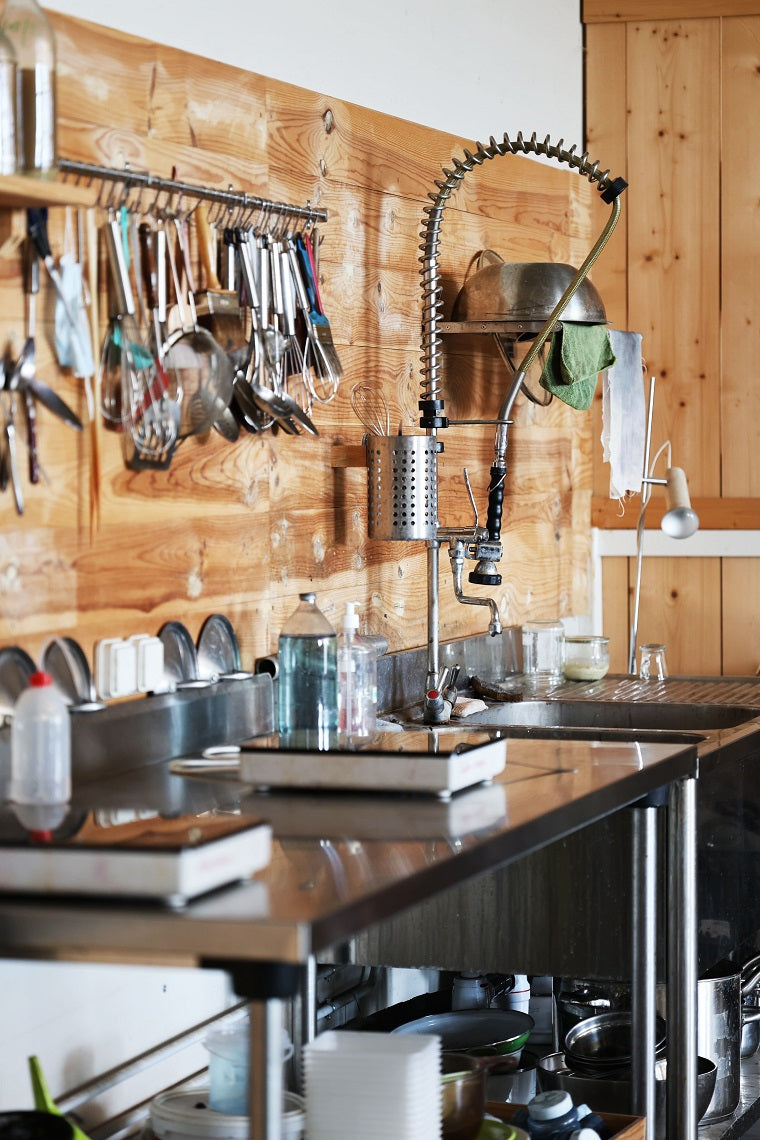
The textile has a story. The dyer transmits her energy and patience to it. She spends a lot of time washing it, bathing it delicately to avoid imperfections, rubbing it to oxygenate it... It goes through several baths and resting times for a single dyeing process. By eye, she gauges the color as the process unfolds.
By hand
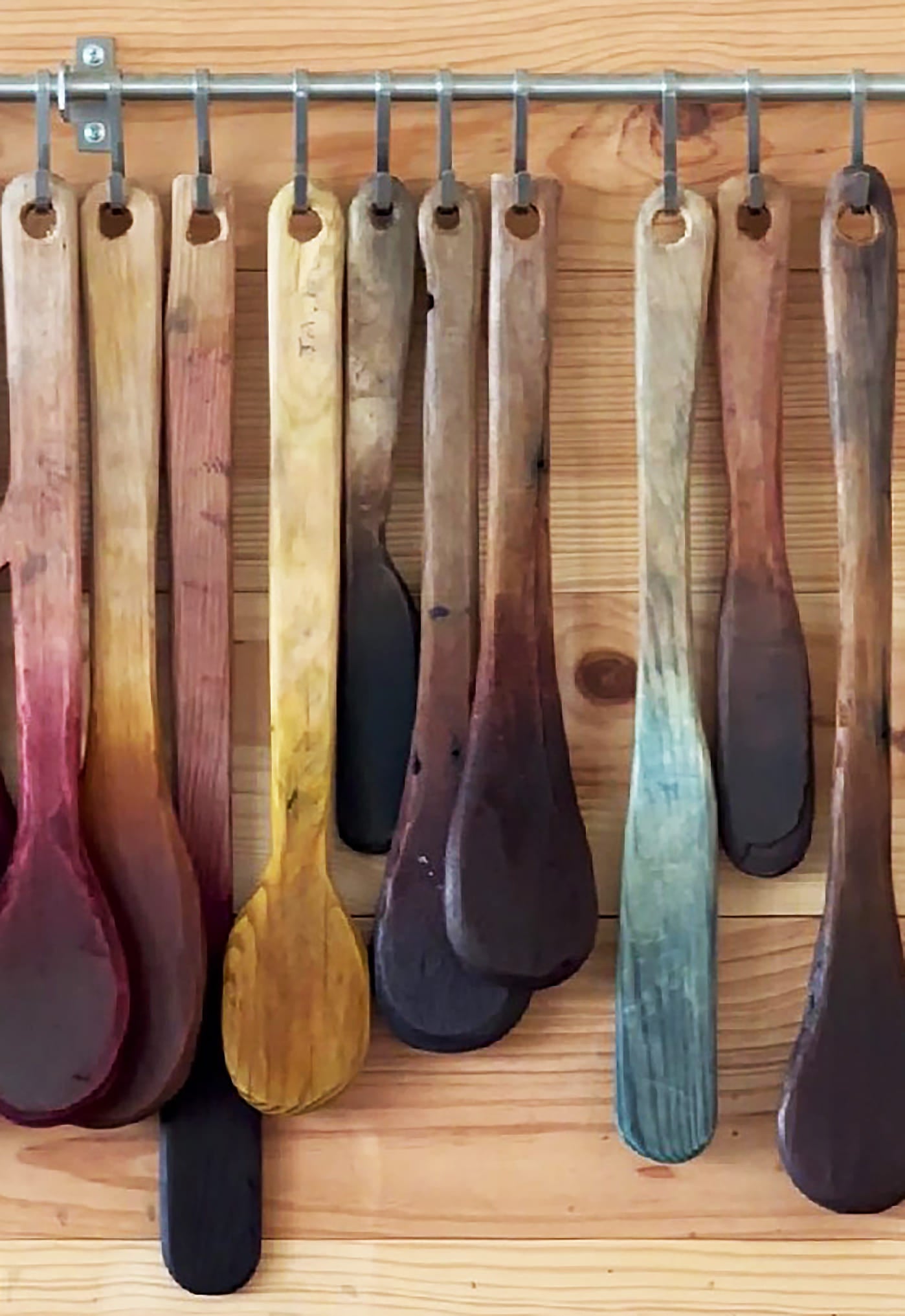
Dyeing is carried out entirely by hand and uses a time-honored technique, requiring honed movements to achieve the desired result. An entire ecosystem comes into play during the vegetable dyeing process, from the oxygen in the air to the temperature of the vats, including the hand of the dyer.

Single color
The colors are not standardized. This is reflected in the final rendering: the colors are deep, shifting to the eye, and difficult to capture in a photograph. Variations in shades can be found from one production run to another, which makes the product unique.
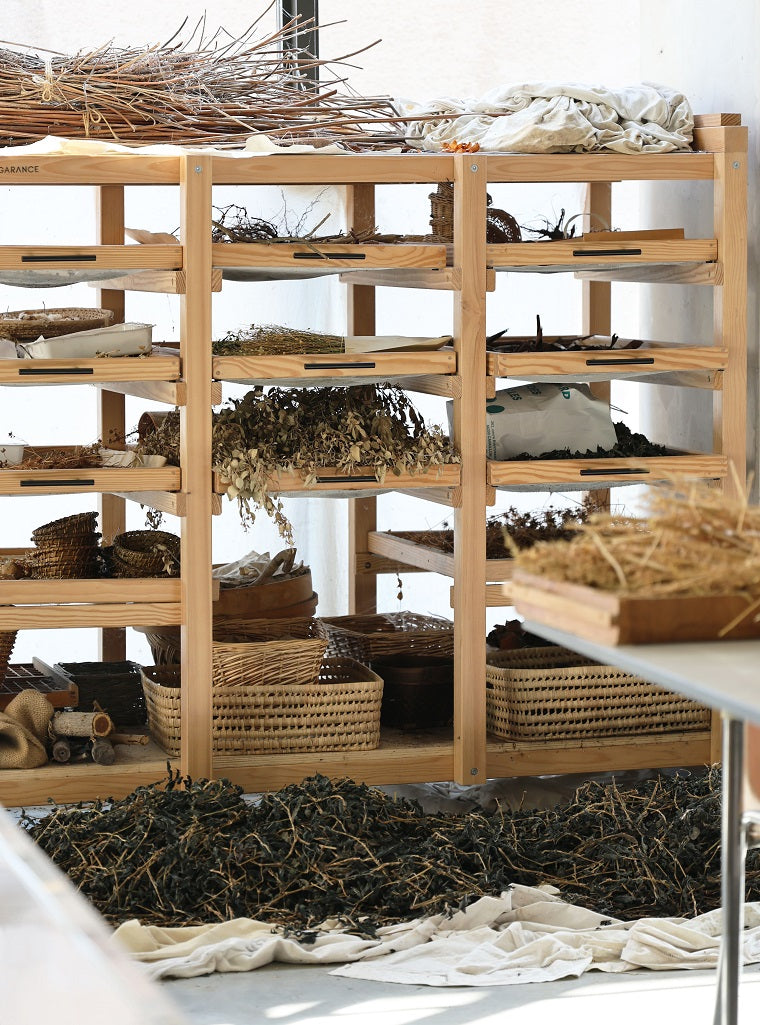
A chemist
This art requires great mastery, like a chemist's. Research requires many steps before obtaining the right formula for the desired color. The workshop uses food-derived substances such as date or fig syrup, avocado or pomegranate peel. Each fiber to be dyed is a new project, a new research.
Until
90°
LAUNDRY ROOM
Caring for naturally dyed items is no different from standard care – quite the opposite!
You can machine wash your garments at 30 °C (standard wash), up to 90 °C.
The 100% cotton fabric is resistant to high-temperature washing. During the natural dye setting process, the baths reach up to 100 °C, which guarantees color longevity while also sanitizing the items.
However, we recommend taking care of your clothes and our planet: wash less, preferably wash cold, air dry naturally, use a non-aggressive organic soap, donate or recycle.
To remove stubborn stains, avoid stain removers and any acidic products. We recommend using a natural stain remover, such as Sommières clay.